AC Chargers
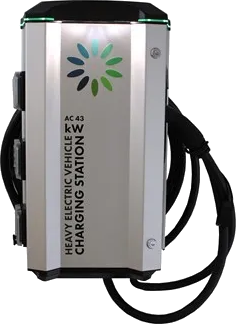
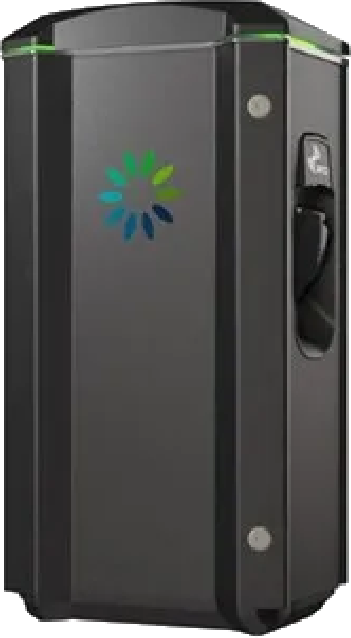
AC Fast Chargers
AC chargers convert alternating current from the grid into direct current, enabling slower, cost-effective battery charging at home or at work.
AC & DC Charger Options From Leading Brands
AC fast chargers will add between 10 and 60 miles range to a typical electric car for each hour that they charge. They are ideal for Workplace or Destination locations where the vehicle will be parked for a number of hours.
They provide RFID or App access control, 4G communications to a Charge Point Management System (CPMS), load management to protect the incoming supply, and other premium features.





How Fast Is AC Charging
AC Chargers are typically able to charge an EV to 80% capacity within just 2-4 hours, depending on the battery capacity and charge speed of the vehicle. The future for EVs is to have the capability to charge at 22kW or 43kW as standard using an AC charger. Currently many models can only charge at 7.4KWh or 11KWh.
A 7.4KWh AC Charger will typically take 4-6 Hours to charge to 80%
A 22KWh AC Charger will typically take 1.5-2.5 Hours to charge to 80%
A 43KWh AC Charger will typically take 45-90 Minutes to charge to 80%
Type 1 AC charger vs Type 2 AC charger
Type 1 and Type 2 AC chargers are different connectors found on EV charging cables. A Type 2 AC connector has 7 pins and is commonly used to charge electric cars across Europe. This connector comes with an in-built locking mechanism designed to deter people from tampering with your charger.
A Type 1 AC connector was the UK standard until around 2018. The main difference between the two is that the Type 2 connector has 5 pins, no locking mechanism and carries single-phase power only. Type 2 chargers are now the industry standard in the UK.
Type 2 sockets are normally used for fast home charging. Typically a type 2 AC charger has a charging speed of around 6-8 hours.
The differences between AC and DC chargers
Most UK charging stations will use AC charging. The core difference between AC charging and DC charging is the location where the AC power gets converted. It either gets converted inside the car or outside the car. DC chargers have the converter inside the charger itself whereas AC chargers do not. That means the DC charger can feed power directly to the car’s battery and doesn’t need the onboard charger to convert it. DC chargers are bigger, faster, and perfect for charging bigger fleet vehicles. We’ve written an article diving into more detail about the difference between AC and DC charging.
News & Articles
HMRC’s new EV mileage rates: what businesses and drivers need to know
Key Takeaways (TLDR) New split rates from 1 September 2025: HMRC now distinguishes between charging at home (8p per mile) and charging in public (14p per mile). Why the change: Electricity costs vary widely between home and public charging. The...
Read MoreUK Government Depot Charging Scheme
The government have now released the ‘Depot Charging Scheme’. This is designed to “support fleet operators on the costs of installation charging infrastructure for electric HGVs, vans and coaches at Fleet Depots“. Key takeaways from our Director Alun “The...
Read MoreWhat is EV Fleet Management?
EV fleet management means keeping your electric vehicle (EV) fleets running smoothly. Fleet management includes tasks like ensuring that all vehicles receive proper maintenance, charging stations are taken care of, and smart software is used to monitor everything in real...
Read More